How to Buy and Sell Gear in the Modern Music Marketplace
Over the years I've watched the used music gear market change more than most people realize. When I started playing, you either bought from a local music store, checked the classifieds in the back of a newspaper, or hoped a friend was selling something decent. Now the options are almost overwhelming. Whether you are a weekend guitarist looking for a vintage amp or a studio owner upgrading a console, understanding how to buy and sell gear effectively can save you money and frustration.
The internet opened up everything. Suddenly you could compare prices across dozens of sellers, read reviews, and see photos of gear that was a thousand miles away. But with that convenience came noise. Scams, overpriced listings, and gear that looked better in photos than in person became common. Learning to navigate this space takes practice and a little bit of strategy.
Where to Start: The Big Players
If you are new to buying used music equipment, Reverb is probably the first place you will land. It was built specifically for musicians, and it shows. The listings are detailed, sellers usually know what they have, and the feedback system helps you avoid trouble. Reverb.com also offers price guides and sold listings so you can see what a piece actually sells for, not just what people ask. That alone makes it worth checking before you buy anything anywhere else.
Guitar Center and Sam Ash have trade-in programs that are convenient, though you will rarely get top dollar. Their used inventory is online now too, so you can search across many stores at once. Musician's Friend is owned by the same parent company as Guitar Center, so their used sections overlap. Sweetwater does not focus on used gear as much, but their customer service is excellent if you find something there.

The Peer-to-Peer Marketplaces
eBay is still a giant for music gear, but it requires more caution. The auction format can get you a steal on a rare pedal or a vintage microphone, but you have to account for shipping costs and the occasional dishonest listing. I have bought two guitars on eBay over the years, and one was exactly as described while the other had a hairline crack in the neck that the seller failed to mention. That is the risk you take.
Facebook Marketplace and Craigslist are where you find local deals. The advantage is obvious: you can see the gear in person, test it, and hand over cash. No shipping, no waiting. The downside is that you have to deal with flaky buyers, lowball offers, and the occasional person who doesn't show up. If you are patient, though, you can find incredible bargains. I once picked up a Fender Twin Reverb for half its market value from a guy who just wanted it out of his garage.
OfferUp and Mercari are similar to Facebook Marketplace but have a slightly different vibe. OfferUp is popular in some regions for instruments, and Mercari tends to have more accessories and smaller gear. Neither has the dedicated music community that Reverb has, but they are worth checking if you are looking for something specific.
Specialized Forums and Community Boards
The Gear Page is one of the longest-running forums for guitar and amp enthusiasts. The classifieds there are full of knowledgeable sellers who often price gear fairly because they know the market. You will also find people willing to answer questions about a piece of gear before you buy. That kind of community knowledge is hard to beat.
Thomann is based in Europe but ships internationally. Their used section is not as large as Reverb's, but for European buyers it can be a great option because you avoid import duties and long shipping times. For American buyers, the exchange rate and shipping costs usually make it less attractive unless you are after something rare that only turns up there.
The Offline World Still Matters
Garage sales, estate sales, and pawn shops remain excellent sources for cheap gear. Estate sales can be gold mines, especially when a musician passes away and the family just wants to clear out the house. I have seen people walk away with vintage synthesizers for a fraction of their value because nobody else in the room knew what they were looking at. Pawn shops are hit or miss, but if you build a relationship with the staff, they will sometimes call you when something interesting comes in.
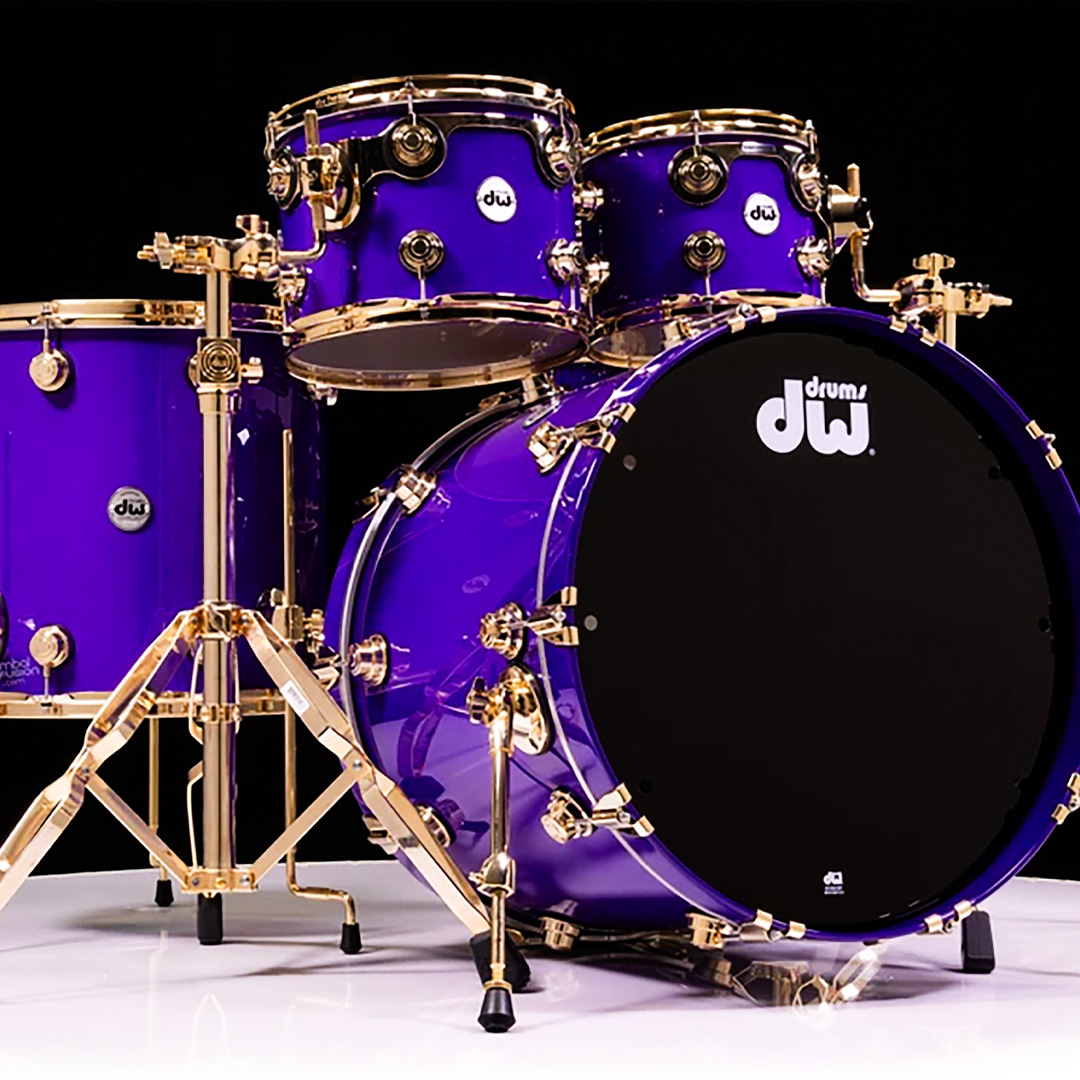
Consignment stores and local music stores are another option. Many small shops will take gear on consignment and give you a better split than the big box stores. The selection is smaller, but you can often negotiate on price, especially if you are paying cash.
How to Price Your Own Gear
When it is time to sell, the hardest part is deciding what your gear is worth. The first thing I do is search Reverb's sold listings for the exact model. That gives me a realistic range. Then I look at active listings on eBay and Facebook Marketplace to see what people are currently asking. If I want to sell quickly, I price on the lower end of that range. If I am in no rush, I set a higher price and wait for the right buyer.
Condition matters more than most people admit. A pedal with a scratched enclosure and a missing rubber foot will sell for noticeably less than one that looks clean, even if they sound identical. Clean your gear before taking photos. Use natural light, show all angles, and be honest about any damage. A buyer who feels tricked will leave negative feedback or return the item. That hurts your future sales.
Shipping and Payment Tips
If you are shipping gear, invest in proper packaging. Cases are ideal, but if you do not have one, use double boxes with padding between them. Insurance is worth the extra cost on anything over a few hundred dollars. For payment, use the platform's built-in system if possible. PayPal Goods and Services offers buyer and seller protection. Avoid cashier's checks and money orders unless you know the person. Scams still happen, especially on Craigslist and Facebook Marketplace, where buyers or sellers try to push you outside the platform.
The phrase "buy and sell gear" sounds simple, but the reality is that it takes time, research, and a little bit of faith. You will make mistakes. I have sold a rare overdrive pedal for far too little because I did not check the current market. I have also bought a microphone that arrived damaged because the seller used a flimsy box. Those lessons stick with you.
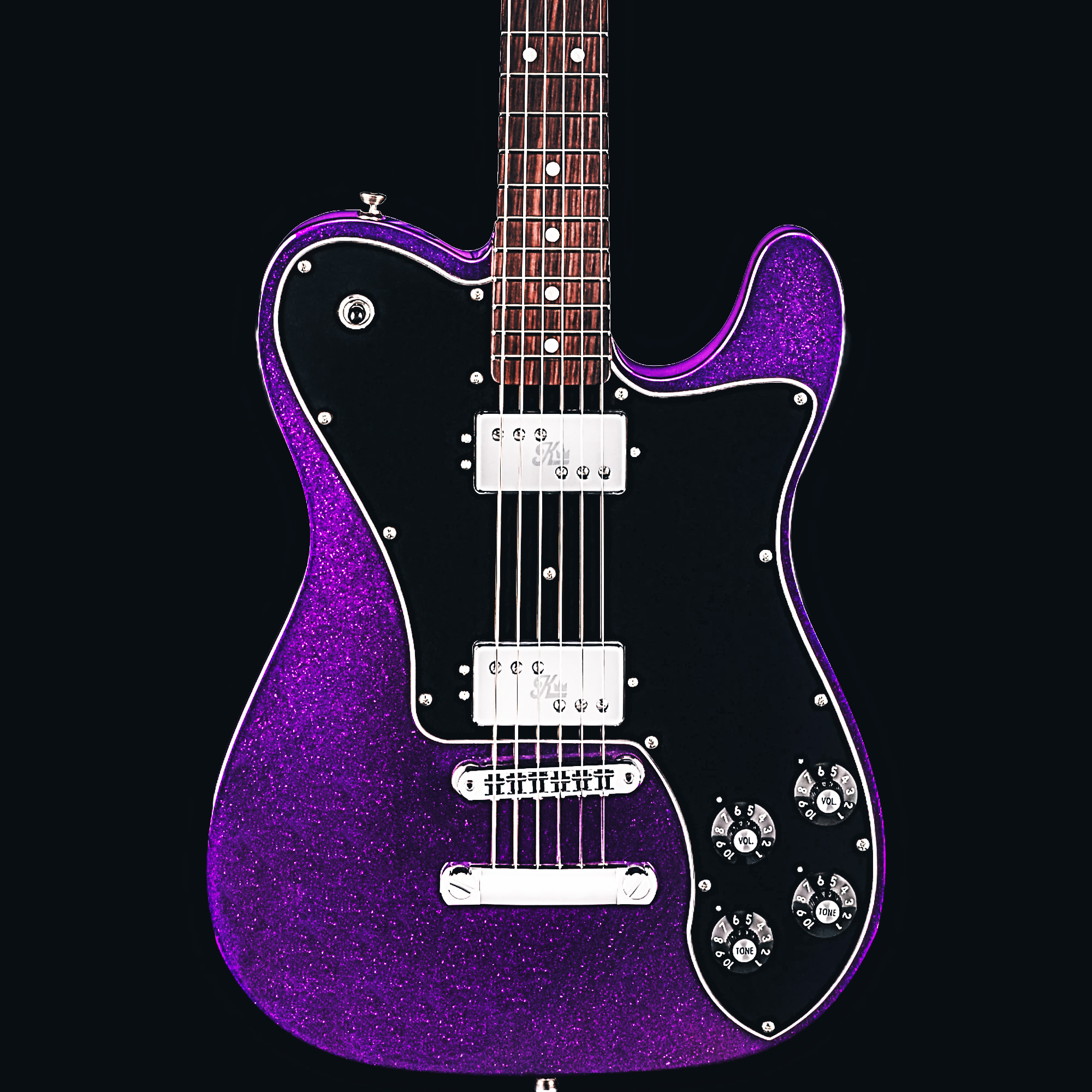
If you want to buy and sell gear regularly, build a system. Check Reverb and The Gear Page daily for new listings. Set alerts on eBay and Facebook Marketplace for the items you want. Keep a list of what you own and what you are willing to part with. When you see a deal, move fast. The best gear goes quickly, and hesitation usually means you miss out.
Ultimately, the ability to buy and sell gear is what keeps the music community connected. A guitar that sits in a closet helps nobody. When it moves to a new player who will use it, record with it, and love it, that is the whole point. The platforms and marketplaces are just tools. The real value comes from the people who use them.